Case file BK007Apps · 2017–2018
Musical.ly: this is taking more than fifteen seconds.
Indian Musical.ly creators were rehearsing, building audiences and earning from promotions in 2018. Then an app update moved their work under the TikTok name.

Inside this case
By July 2018, Disha Madan was describing making videos as a profession. In The Indian Express’s interviews with Indian Musical.ly creators (opens in a new tab), she spoke about regular income from videos and brand promotions.
That is useful to remember if your picture of Musical.ly is somebody casually mouthing a song. The clip might look casual. The person making it could be thinking about their next post, the audience they had built and whether this was work they could keep doing.
A short video was a small thing to watch. Making good ones regularly was another matter.
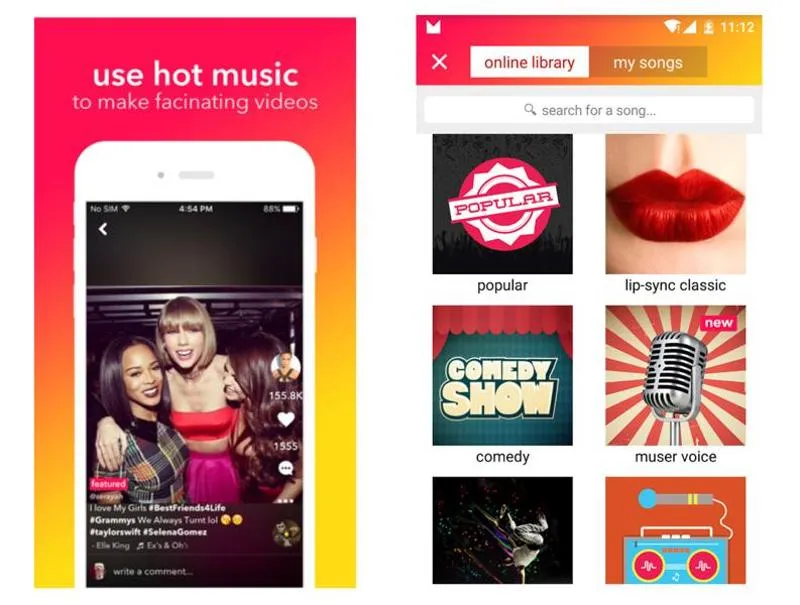
The music came with a menu. The library and video feed in Hindustan Times’ July 2016 review show how a familiar sound could become the starting point for a performance.
Source: Musical.ly / Hindustan Times (opens in a new tab). Editorial excerpt. Converted to WebP for display; original framing retained.
The music gave you somewhere to start
Musical.ly offered filters, speed controls and ways to perform with existing audio. Users lip-synced, danced and made duets; the Indian Express feature also described comedy and makeup videos. A recognisable song could give a viewer a quick reason to pay attention.
For the performer, it provided a starting point rather than a finished result. You still had to decide what happened on screen. A change of expression or a movement timed to the sound could make the clip worth replaying.
Think of trying to get a transition right. You know what it is supposed to look like, which makes a slightly mistimed version more irritating. Another take seems manageable because the whole performance is so short. The published result gives little indication of how often you tried it.
The format let a beginner attempt something familiar and left room to get noticeably better at it. Those two things could coexist without making every user an aspiring professional.
Some people were already making plans
Vitasta Bhat told the Indian Express that appreciation for her videos on Instagram encouraged her to become more regular on Musical.ly. Yuvraj Dewan discussed his audience; Madan also spoke about building her YouTube presence. The interviews show creators thinking across platforms, rather than waiting for one app to determine their whole future.
That gives this chapter a different feel from an isolated app craze. Somebody enjoying the videos might discover a creator worth following. Somebody making them might begin treating the camera, editing and posting as skills to develop.
It also meant that an apparently silly performance deserved a little more respect than an outsider might initially give it. Getting a stranger to watch another short lip-sync could require quite a good sense of timing.
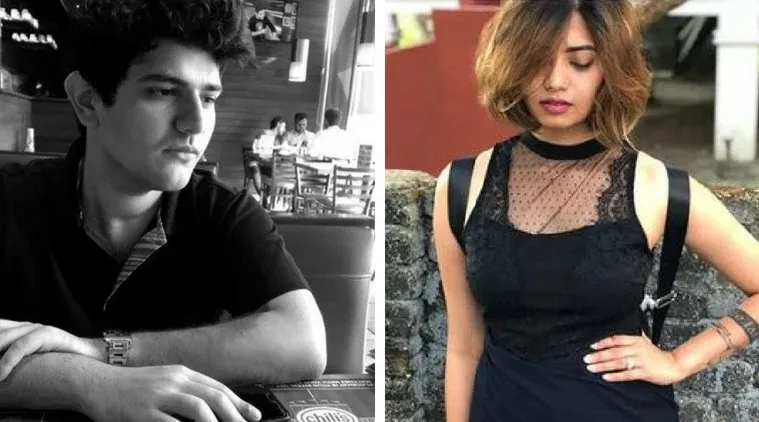
Yuvraj Dewan and Disha Madan, pictured in the July 2018 Indian creator report. Behind the short clips were people thinking about what they might make next.
Source: The Indian Express · Yuvraj Dewan and Disha Madan pictured (opens in a new tab). Editorial excerpt. Converted to WebP for display; original framing retained.
An update changed the name above the videos
The August 2018 merger announcement (opens in a new tab) said Musical.ly and TikTok were uniting under the TikTok name. Existing accounts, content and fan bases would move to the upgraded app.
That is what happened to the Musical.ly name. The official transition carried existing accounts and videos into another app, so losing the old name didn’t mean losing the work someone had been building there.
An old Musical.ly watermark now dates a clip quite effectively. It can also make a familiar creator look a little younger, at a stage when they were still working out what to do with the camera. The person who eventually made that transition look effortless may have been practising for some time.
The craze timeline
The rise. The afterlife.
A Bukhaar reading, from first spark to afterglow.
- Fever pitchIndian creators describe building audiences and earning from videos and promotions. (opens in a new tab)
- WarmMusical.ly and TikTok unite under the TikTok name, carrying accounts and content across. (opens in a new tab)
- CoolMusical.ly became part of TikTok in August 2018; the old watermark records an earlier stage of its creators’ work.
A little temperature check
The bukhaar meter.
At its peak · Jul 2018
Fever pitch
Indian creators describe building audiences and earning from videos and promotions.
Now · Nov 2026
Cool
Musical.ly became part of TikTok in August 2018; the old watermark records an earlier stage of its creators’ work.
Peak: Fever pitch · Now: Cool
Bukhaar’s editorial take · Nov 2026